
What is Brining?
Brining, traditionally used as a method of preserving meat, has evolved into a culinary technique focused on enhancing flavor and moisture. Flavor brining involves soaking raw meat in a saltwater solution, often with added spices, for a set period before cooking. During this process, some of the brine is absorbed into the meat. The salt helps denature proteins, which prevents moisture loss during cooking, resulting in tender, juicy, and flavorful food. When done correctly, brining does not significantly increase the salt content of the meat. It’s especially effective for poultry, pork, fish, and seafood. Whether you're roasting, smoking, grilling, or frying, brining beforehand boosts flavor, locks in moisture, and can even reduce cooking time.
Brine vs. Marinade
Marinade:
Marinades add flavor primarily to the outer surface of meat. They typically include an acid, such as lemon or lime juice, vinegar, or wine—combined with herbs and spices. While marinades can enhance taste, they don’t penetrate deeply, so the flavor is mostly limited to the outside of the meat.
Brine:
Brining is more of a scientific process than simply flavoring. When meat absorbs a brine (a saltwater solution often mixed with spices and herbs) it causes proteins to break down in a way that helps the meat retain moisture during cooking. The result is a juicier, more flavorful piece of meat, with seasoning that reaches throughout, not just the surface.
3 Steps to Success
Step 1: Make the Brine
Combine salt and spices with water until dissolved. This can be done with boiling water, then chilled, or with cold water. The brine must be chilled before and during use to avoid partially cooking or spoiling the meat.
Tip: Get The Briner! It includes instructions that help easily convert any recipe so you make the right amount of brine without handling raw meat an extra time to measure.
Step 2: Brine/SoakingTime
Combine the chilled brine and meat in a non-reactive container made of stainless steel, plastic (food grade), glass or ceramic. The meat must be completely submerged for the entire soaking time to achieve the desired result. Soaking times vary by meat type and size.
Tip: Get The Briner! Patented design completely resolves the biggest challenge to successful brining - floating food! Instructions include a brine table showing how long to soak the most popular meat types.
Step 3: Prepare for Cooking
Thoroughly rinse meat before cooking to remove any remaining brine. Allow to dry, or pat dry with paper towels for crispy skin on poultry. Avoid adding additional salt, but a no or very low salt rub can be applied to add more flavor. Brining will reduce cooking times, up to 30%. Use a meat thermometer to avoid overcooking!
Tip: Get The Briner! Easily dry meat by placing in The Briner with the lock plate in the bottom position. Water and juice will collect in the bottom for easy disposal.
Why it Makes a difference:
The Science Behind The Lock Plate
Brining works by the interaction of salt and muscle fibers to loosen the muscle structure, allowing the food to hold more moisture. As salt goes inside the muscle fibers of the meat, it absorbs or holds onto liquid which denatures the proteins making food juicier. The process of diffusion occurs as salt moves away from high concentrated areas (the brine) and into areas of low concentration (the meat), and will continue until a state of equilibrium is reached.
During the cooking process, food will naturally lose moisture, so brined meats bind more liquid to the muscle fibers of the meat. Therefore, there is more liquid before and after the cook, maintaining moisture. Brining relies on salt balancing the concentration across the entire cut. If part of the meat is exposed to the air or sticks out, that portion will dry out and create a gap for juice to flow out of during cooking. This is why it is important to cut your food before brining to maintain all flavor retention.
Luckily for you, we created the solution! No more floating food while brining or worrying about weighing your food down. Ensuring every piece stays completely underneath the brine solution.. we give the all credit to the lock plate.
The lock plates ensure all food stays completely submerged underneath the brine liquid during the entire process. No need to flip food over every hour to ensure full coverage, simply twist your lock plate down into The Briner and you are good to go!
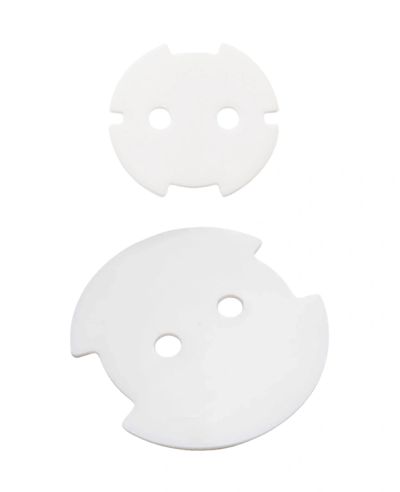
So..

Why Do You Need a Lock Plate in Your Life?
To make it easier of course!
Do you struggle with floating food when trying to get the best brine? Or have pieces that stick out and miss all that flavor? Well no more...
The Briner and lock plate mechanism was purposefully crafted for convenience and made for cooks just like you!
Ditch all the extra plates, weights, buckets, mess, time consuming methods... and try a Briner - one vessel, 3 pieces.
Enjoy brining with ease and taste your full potential.

PSA: Your Turkey Wants to Be Brined
Say goodbye to floating food and hello to a juicier, more flavorful Thanksgiving.